How Drones are Changing Avalanche Rescue Efforts
Avalanches are among the most dangerous natural disasters, claiming lives and causing significant injuries each year. Traditional rescue methods, while effective, can be slow and dangerous for rescuers. However, the advent of drone technology is transforming how search and rescue operations are conducted in avalanche situations. Drones offer a new level of efficiency, safety, and effectiveness that can save lives.
In this blog post, we will explore how drones are being integrated into avalanche rescue efforts, the technology behind them, real-world applications, and the future of this innovative approach.
The Need for Speed in Avalanche Rescue
When an avalanche occurs, time is of the essence. Survivors can be buried under tons of snow, and every minute counts. Traditional rescue teams often face challenges such as:
Difficult terrain: Snow-covered mountains can be treacherous, making it hard for rescuers to reach victims quickly.
Limited visibility: Poor weather conditions can hinder search efforts.
Risk to rescuers: The danger of secondary avalanches puts rescuers at risk while they search for victims.
Drones can help mitigate these challenges by providing a rapid response option that enhances situational awareness and improves rescue outcomes.
How Drones Work in Avalanche Rescue
Drones equipped with advanced technology can be deployed quickly in the aftermath of an avalanche. Here’s how they work:
1. Aerial Surveillance
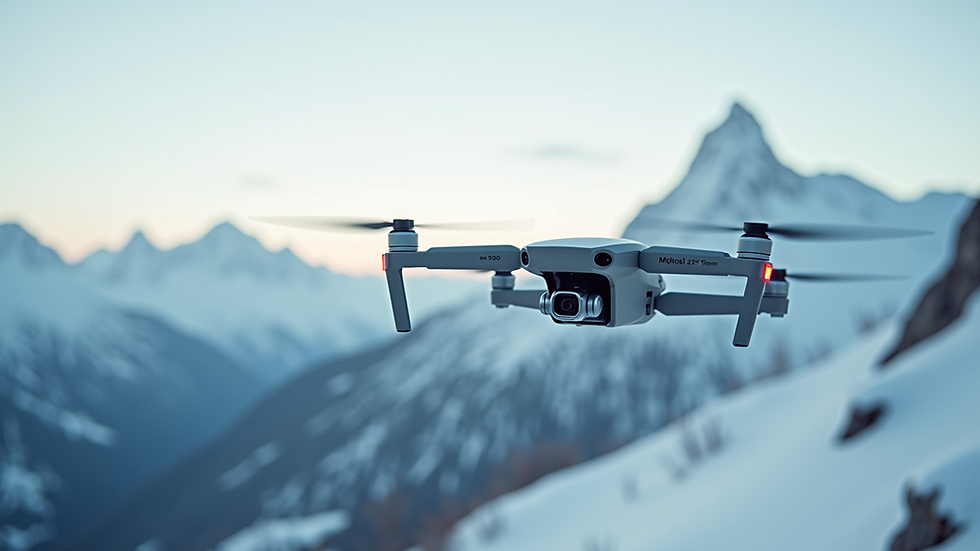
Drones can cover large areas quickly, providing aerial views that are impossible to achieve on foot. Equipped with high-resolution cameras and thermal imaging, they can identify heat signatures from buried victims, even in challenging weather conditions.
2. Real-Time Data Transmission
Drones can transmit real-time video and data back to rescue teams, allowing them to assess the situation from a safe distance. This information is crucial for planning the next steps in the rescue operation.
3. Payload Delivery
Some drones can carry small payloads, which can be used to drop supplies such as food, water, or communication devices to victims while rescuers make their way to them.
Real-World Applications of Drones in Avalanche Rescue
Several organizations and rescue teams around the world have begun to incorporate drones into their avalanche rescue operations. Here are a few notable examples:
Example 1: The Swiss Avalanche Rescue Team
In Switzerland, the Swiss Avalanche Rescue Team has been using drones equipped with thermal imaging cameras to locate victims buried under snow. In one instance, they successfully located a skier buried under 2 meters of snow within minutes of deploying the drone. The thermal imaging allowed them to pinpoint the victim's location accurately, significantly speeding up the rescue process.
Example 2: The Norwegian Red Cross
The Norwegian Red Cross has also embraced drone technology in their rescue efforts. They have trained volunteers to operate drones during avalanche rescues, allowing them to quickly assess the situation and direct ground teams to the most critical areas. This integration of technology has improved their response times and overall effectiveness in saving lives.
Example 3: The U.S. Forest Service
In the United States, the U.S. Forest Service has been experimenting with drones in avalanche-prone areas. They have used drones to monitor snowpack conditions and assess avalanche risks, which helps in planning safer rescue operations. By understanding the terrain and snow conditions better, they can deploy rescue teams more effectively.
Advantages of Using Drones in Avalanche Rescue
The integration of drones into avalanche rescue efforts offers several advantages:
Increased Safety: Drones can operate in hazardous conditions without putting human lives at risk.
Faster Response Times: Drones can be deployed immediately, providing critical information to rescue teams quickly.
Cost-Effectiveness: While initial investments in drone technology can be high, the long-term savings in rescue operations can be significant.
Enhanced Data Collection: Drones can gather valuable data on snow conditions, helping to improve future avalanche forecasting and prevention efforts.
Challenges and Limitations
While the benefits of using drones in avalanche rescue are clear, there are also challenges and limitations to consider:
1. Regulatory Hurdles
In many countries, drone operations are subject to strict regulations. Rescue teams must navigate these regulations to ensure they can deploy drones effectively during emergencies.
2. Technical Limitations
Drones have limitations in terms of battery life, payload capacity, and range. These factors can affect their effectiveness in certain situations, particularly in remote areas.
3. Training Requirements
Rescue teams need proper training to operate drones effectively. This requires time and resources, which can be a barrier for some organizations.
The Future of Drones in Avalanche Rescue
As technology continues to advance, the future of drones in avalanche rescue looks promising. Here are some potential developments we might see:
1. Improved AI and Machine Learning
Future drones may incorporate advanced AI and machine learning algorithms that can analyze data in real-time, improving their ability to locate victims and assess risks.
2. Enhanced Payload Capabilities
As drone technology evolves, we may see drones capable of carrying larger payloads, allowing them to deliver more substantial supplies to victims in need.
3. Integration with Other Technologies
Drones could be integrated with other technologies, such as ground robots or automated rescue systems, creating a comprehensive approach to avalanche rescue.
Conclusion
Drones are revolutionizing avalanche rescue efforts, providing faster, safer, and more effective solutions to a critical problem. As technology continues to advance, we can expect even greater improvements in how rescue teams respond to avalanches. By embracing these innovations, we can enhance our ability to save lives and protect those who enjoy the great outdoors.
As we move forward, it is essential for rescue organizations to invest in drone technology and training. By doing so, we can ensure that when the next avalanche strikes, we are better prepared to respond and save lives.

Comments