Revolutionizing Ski Safety with Drone Rescue Technology
Skiing is an exhilarating sport that attracts millions of enthusiasts every year. However, it also comes with inherent risks, especially in remote areas where accidents can occur. Traditional rescue methods can be slow and inefficient, often putting both the injured skier and rescuers at risk. Enter drone rescue technology, a game-changing innovation that is transforming how we approach ski safety. This blog post explores how drones are revolutionizing ski rescue operations, enhancing safety, and saving lives.

The Need for Improved Ski Rescue Methods
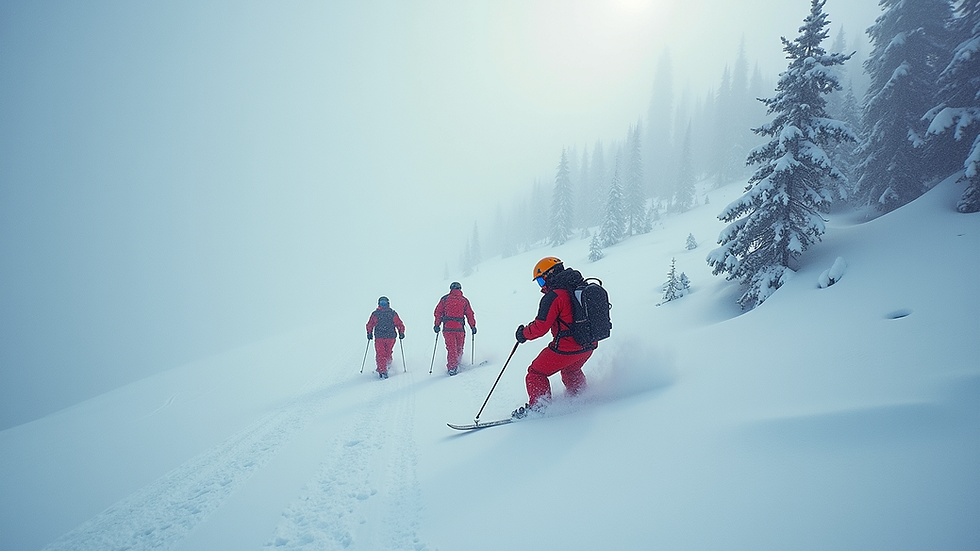
Every year, thousands of skiers find themselves in distress due to accidents, avalanches, or sudden medical emergencies. According to the National Ski Areas Association, there were over 40 million skier visits in the United States in the 2021-2022 season, with a small percentage resulting in injuries. The traditional rescue methods often involve ski patrol teams navigating treacherous terrain, which can take valuable time during emergencies.
Challenges Faced by Traditional Rescue Operations
Time Constraints: Every second counts in a rescue situation. Delays can lead to severe consequences for the injured skier.
Terrain Difficulties: Ski resorts often have challenging landscapes, making it difficult for rescuers to reach those in need quickly.
Weather Conditions: Harsh weather can impede rescue efforts, making it dangerous for both rescuers and the injured.
How Drone Technology is Changing the Game
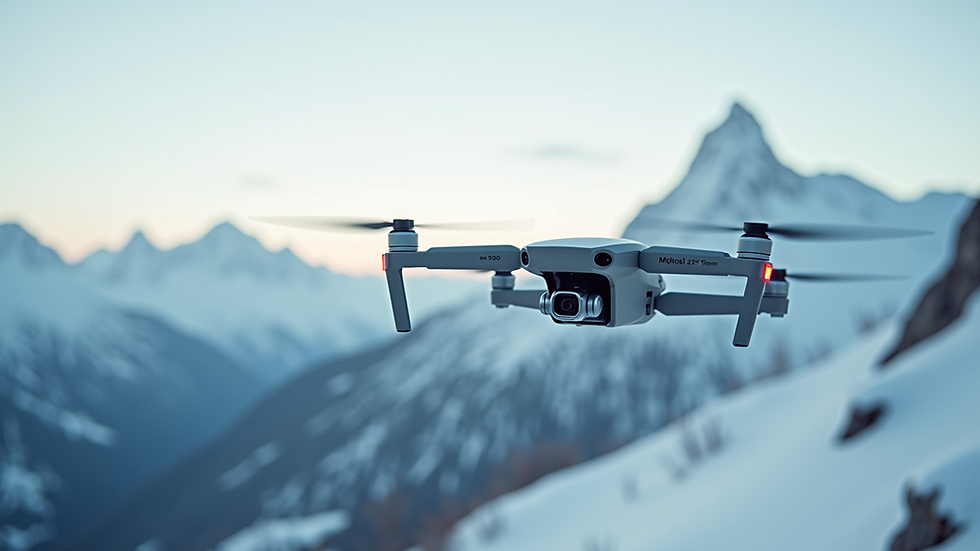
Drones are equipped with advanced technology that allows them to navigate difficult terrains and reach remote areas quickly. Here are some key ways drones are enhancing ski rescue operations:
Rapid Response
Drones can be deployed within minutes of an emergency call. Their ability to fly directly to the location of the incident allows for a much faster response time compared to traditional methods.
Aerial Surveillance
Equipped with high-resolution cameras, drones can provide real-time aerial footage of the situation. This helps rescue teams assess the scene before they arrive, allowing them to plan their approach effectively.
Delivery of Supplies
Drones can carry essential supplies such as first aid kits, blankets, and even defibrillators directly to the injured skier. This immediate access to medical supplies can be crucial in stabilizing the victim until help arrives.
Communication Tools
Many drones come equipped with two-way communication systems, enabling rescuers to talk to the injured skier. This can provide reassurance to the victim and help rescuers gather vital information about their condition.
Real-World Applications of Drone Rescue Technology
Several ski resorts around the world have already begun to implement drone technology in their rescue operations. Here are a few notable examples:
The Swiss Alps
In the Swiss Alps, a ski resort has partnered with a drone company to enhance their rescue capabilities. Drones are used to monitor the slopes for potential accidents and can quickly deliver medical supplies to injured skiers. This initiative has significantly reduced response times and improved outcomes for victims.
Colorado Ski Resorts
In Colorado, ski patrol teams have integrated drones into their operations. These drones are used not only for rescue missions but also for avalanche control. By surveying the terrain from above, they can identify potential avalanche risks and take preventive measures.
Japan's Ski Resorts
Japanese ski resorts have also embraced drone technology. Drones are utilized to conduct regular safety checks on the slopes, ensuring that any hazards are identified and addressed promptly. This proactive approach helps prevent accidents before they occur.
The Future of Drone Rescue Technology in Skiing
As drone technology continues to evolve, its applications in ski rescue operations are expected to expand. Here are some potential advancements on the horizon:
Enhanced AI Capabilities
Future drones may incorporate advanced artificial intelligence to analyze situations in real time. This could allow drones to make decisions autonomously, such as determining the best route to an injured skier or identifying the safest landing zone for supplies.
Improved Battery Life
As battery technology improves, drones will be able to fly longer distances and carry heavier payloads. This will enhance their ability to deliver supplies and conduct extended surveillance missions.
Integration with Other Technologies
Drones could be integrated with other technologies, such as wearable devices for skiers. These devices could send distress signals directly to rescue teams, providing precise location data and vital health information.
Conclusion
Drone rescue technology is revolutionizing ski safety by providing faster, more efficient, and safer rescue operations. As this technology continues to advance, we can expect even greater improvements in how we respond to emergencies on the slopes. Skiers can enjoy their passion with greater peace of mind, knowing that help is just a drone flight away.
The integration of drones into ski rescue operations is not just a trend; it represents a significant leap forward in ensuring the safety of skiers everywhere. As we look to the future, the potential for drones in enhancing ski safety is limitless. Ski resorts, rescue teams, and skiers alike should embrace this technology to create a safer skiing environment for all.
Comments