Investing in the Future of Ski Rescue Solutions
Skiing is an exhilarating sport that draws millions of enthusiasts to the slopes each year. However, with the thrill of gliding down snow-covered mountains comes the inherent risk of accidents and emergencies. As ski resorts continue to grow in popularity, the need for effective ski rescue solutions becomes increasingly critical. This blog post explores the future of ski rescue solutions, highlighting innovative technologies, training programs, and community involvement that can enhance safety on the slopes.
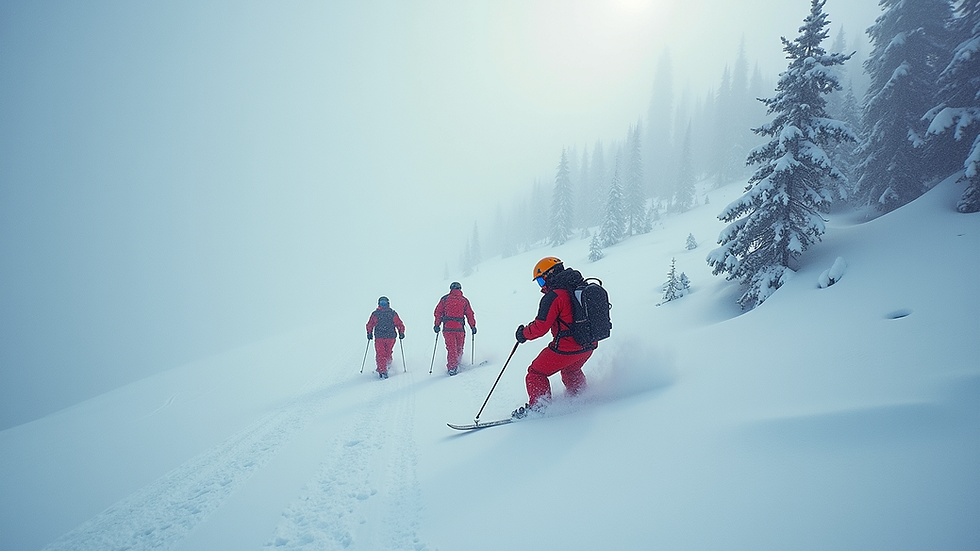
The Importance of Ski Rescue Solutions
Ski rescue solutions are vital for ensuring the safety of skiers and snowboarders. Every year, thousands of accidents occur on ski slopes, ranging from minor injuries to life-threatening situations. Effective rescue operations can mean the difference between life and death. Here are some key reasons why investing in ski rescue solutions is essential:
Increased Safety: With advanced rescue technologies and trained personnel, the chances of a successful rescue increase significantly.
Faster Response Times: Quick response times can reduce the severity of injuries and improve outcomes for those in distress.
Enhanced Training: Ongoing training for rescue teams ensures they are prepared for various emergency scenarios, from avalanches to medical emergencies.
Current Challenges in Ski Rescue Operations
Despite the importance of ski rescue solutions, several challenges persist:
Limited Resources: Many ski resorts operate on tight budgets, which can limit the availability of rescue equipment and personnel.
Difficult Terrain: The mountainous terrain can complicate rescue efforts, making it challenging to reach injured skiers quickly.
Weather Conditions: Adverse weather can hinder rescue operations, affecting visibility and accessibility.
Innovative Technologies in Ski Rescue
The future of ski rescue solutions lies in embracing innovative technologies. Here are some advancements that are shaping the industry:
Drones for Aerial Surveillance
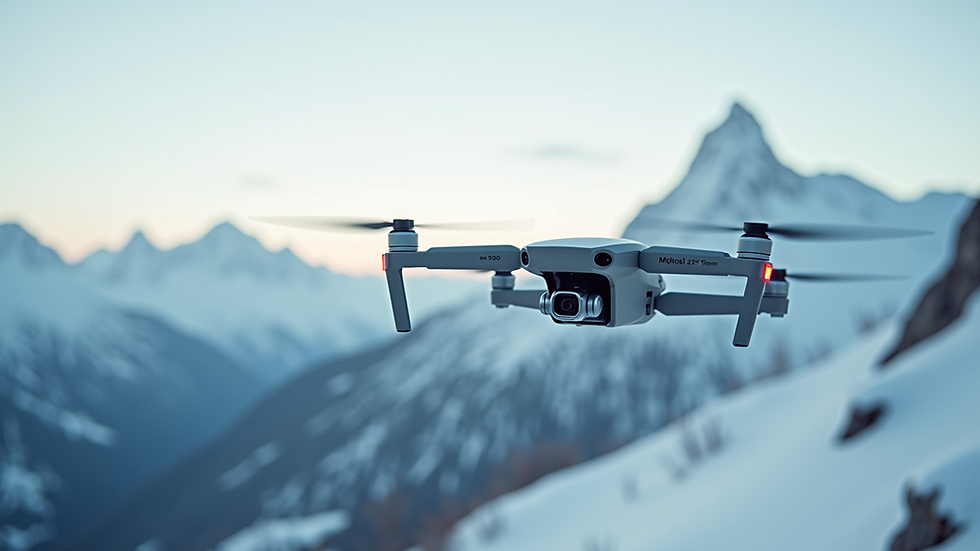
Drones equipped with thermal imaging cameras can quickly survey large areas of ski resorts, identifying injured individuals or those in distress. This technology allows rescue teams to assess situations from above, improving response times and resource allocation.
GPS Tracking Systems
GPS tracking systems can be integrated into ski passes or wearable devices, allowing ski patrols to locate skiers in real-time. This technology can be especially useful in crowded areas or during adverse weather conditions.
Automated External Defibrillators (AEDs)
Having AEDs readily available on the slopes can save lives in cases of cardiac arrest. These devices are easy to use and can provide critical assistance before professional medical help arrives.
Training Programs for Ski Rescue Teams
Investing in training programs for ski rescue teams is crucial for ensuring effective response to emergencies. Here are some key components of successful training programs:
Scenario-Based Training
Training programs should include realistic scenarios that rescue teams may encounter on the slopes. This hands-on approach helps teams practice their skills in a controlled environment, preparing them for real-life situations.
First Aid and CPR Certification
All rescue team members should be certified in first aid and CPR. Regular refresher courses can ensure that their skills remain sharp and up-to-date.
Collaboration with Local Emergency Services
Building strong relationships with local emergency services can enhance the effectiveness of ski rescue operations. Joint training exercises can improve communication and coordination during emergencies.
Community Involvement in Ski Safety
The role of the community in promoting ski safety cannot be overlooked. Here are ways communities can get involved:
Public Awareness Campaigns
Ski resorts can launch public awareness campaigns to educate skiers about safety practices, such as wearing helmets and understanding the risks of skiing in off-piste areas.
Volunteer Programs
Encouraging local volunteers to assist in ski patrol operations can provide additional support for rescue teams. Training community members can create a network of individuals ready to help in emergencies.
Fundraising for Rescue Equipment
Communities can organize fundraising events to support the purchase of advanced rescue equipment. This collective effort can enhance the resources available to ski patrols.
Case Studies of Successful Ski Rescue Solutions
Examining successful ski rescue operations can provide valuable insights into effective practices. Here are two notable examples:
Example 1: Whistler Blackcomb, Canada
Whistler Blackcomb is known for its comprehensive ski patrol program. The resort employs advanced technologies, such as drones and GPS tracking, to enhance rescue operations. Their training programs are rigorous, ensuring that all team members are well-prepared for emergencies.
Example 2: Aspen Skiing Company, USA
Aspen Skiing Company has implemented a community-focused approach to ski safety. They offer free safety clinics for skiers and snowboarders, educating them on best practices and emergency procedures. This proactive approach has led to a decrease in accidents on the slopes.
The Future of Ski Rescue Solutions
As technology continues to evolve, the future of ski rescue solutions looks promising. Here are some trends to watch:
Integration of Artificial Intelligence
Artificial intelligence can analyze data from various sources, such as weather patterns and skier behavior, to predict potential accidents. This proactive approach can help ski resorts allocate resources more effectively.
Enhanced Communication Systems
Improving communication systems between ski patrols and emergency services can streamline rescue operations. Real-time updates can ensure that all parties are informed and prepared for any situation.
Sustainable Practices
As environmental concerns grow, ski resorts are increasingly adopting sustainable practices in their operations. This includes using eco-friendly materials for rescue equipment and minimizing the environmental impact of rescue operations.
Conclusion
Investing in the future of ski rescue solutions is not just about enhancing safety; it is about creating a culture of preparedness and community involvement. By embracing innovative technologies, improving training programs, and fostering community engagement, ski resorts can ensure that they are equipped to handle emergencies effectively. As skiers and snowboarders continue to flock to the slopes, the commitment to safety must remain a top priority.
The next time you hit the slopes, remember the importance of ski rescue solutions and consider how you can contribute to a safer skiing experience for everyone.

Comments